All postsSHORT2 min read
Gemini 4 Carbon Standard API Price Per Token Doubles December 1: Inside /swarm
Carbon's introductory Standard API rates end November 30. How Google's /swarm preview works, its limits, and Elon's fixed-scope migration offer.
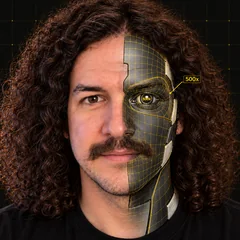
Gemini 4 Carbon's Standard API price per token doubles December 1. Alongside the model, Google's previewing /swarm: a prompt becomes a coordinated coding team, with workers making edits and verifiers challenging them.
What Google released on November 10
Google made Gemini 4 Carbon generally available on November 10, 2026, calling it its strongest model. Paying developers and enterprises can access it through the Gemini API in Google AI Studio and Gemini for business. Google also lists Android Studio for paid-tier API access. The API model id is gemini-4-carbon.
For Google AI Ultra subscribers, Carbon is rolling out in Antigravity, the Gemini app and AI Mode in Search. The /swarm preview is rolling out across the Antigravity App and CLI.
Standard API prices before and after December 1
These are Standard service rates on the paid tier, per million tokens:
| Period | Input | Output, including thinking | Context caching |
|---|---|---|---|
| Through November 30, 2026 | $2 | $10 | $0.10 |
| From December 1, 2026 | $4 | $20 | $0.20 |
Input and output prices per token both double when the introductory period ends. Carbon has no API free tier. Every token is billed, including thinking tokens. Caching is implicit only; explicit caching isn't supported.
How /swarm works
A coordinator takes your prompt and spins up specialized parallel workers. Each works in an isolated git worktree, a separate working copy of the code, so their edits don't collide. Adversarial verifiers run tests and challenge the diffs, the proposed code changes.
The agents share an append-only message board. Google says idle agents park at zero token cost, then activate when another agent needs input. You can follow the team through Antigravity's Swarm UI or open /swarm board in the CLI.
Model pinning lets you assign different models to different roles. Google suggests Carbon for coordination, architecture, auditing and verification, with lighter, faster models handling parallel edits. Google says its engineers used swarms internally for multi-package migrations, root-cause investigations and architectural redesigns.
The catch
/swarm is a preview rolling out to Google AI Ultra subscribers. Google warns parallel multi-agent systems consume quota much faster than standard chat, even with idle waits and model switching.
Google still recommends Argon for most software engineering and knowledge work. Carbon uses more tokens for deeper reasoning and extended verification. The benchmark and cost-per-task results are Google's own reporting, including tests run by partners. They haven't been independently verified in the supplied research.
Google also says resistance to prompt injection needs continued improvement. Agent verification doesn't establish that this problem is solved.
The builder angle (my opinion, no income guaranteed)
I'd offer a fixed-price migration for a client's existing codebase, scoped to a framework or dependency upgrade. Google's migration use case is the starting point for my offer, rather than evidence of earnings.
- Agree on the upgrade, affected packages and exclusions before quoting the project.
- Run the client's existing tests first and record any failures already present. Agree that this suite will decide completion.
- Give the coordinator that scope. Have workers make the edits in separate worktrees and verifiers challenge the changes.
- Review the combined changes and rerun the client's suite. Resolve failures before calling the migration done.
- Hand over the migration diff and test results so the client can inspect the deliverable.
I'd keep the scope narrow enough that both sides can say what finished means before the agents start.
Daily email
Get each breakdown in your inbox.
One email each evening, right after the Short goes live: the AI tool it covers, the full write-up with sources, and how to get paid for it. Free, and you can unsubscribe anytime.