All postsSHORT3 min read
A Startup Says Brain Cells Made Its AI Video Model 5x Faster
TBC's mischief 1 turns a still image into a 5-second clip for 2.5 cents, and the company credits living neurons for the speedup. What's real, the catch, and one way to sell it.
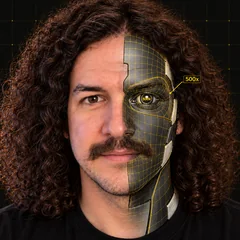
A San Francisco startup grows neurons in a lab, studies how they process signals, and says what it learned made an AI video model five times faster. The model is called mischief 1, it went live on October 30, 2026, and a five-second clip costs two and a half cents.
What happened
The Biological Computing Co. (TBC) launched TBC mischief 1 on October 30, 2026, in a PR Newswire release. It's an image-to-video model: you give it a still image and a prompt, and it returns a short clip. It's live on fal and OpenRouter.
It's built on Wan 2.2, "a widely used open-weight video model," and TBC says it "matches its quality while generating video 5x faster." The company credits that speedup to "efficiencies TBC discovered in living neurons and applied directly to the model."
The neurons don't ship with it. In TBC's words, "The neurons stay in the lab. Customers use software that runs on standard AI hardware and adds less than 0.1% to the base model's parameter count." The Next Web describes the process the same way: TBC studies how lab-grown networks of neurons respond to signals, then turns what it learns into a small software add-on that runs on normal AI chips.
The launch comes five weeks after TBC announced a collaboration with Amazon Web Services to bring the model to enterprise customers.
What it costs
From the fal and OpenRouter listings:
- 480p: half a cent per second of output, so a five-second clip is 2.5 cents. TBC's release puts it as "100 clips cost $2.50."
- 720p: one cent per second, so a five-second clip is 5 cents.
TBC says mischief 1 is "the lowest-priced image-to-video model on both marketplaces." That's the company's claim.
The catch
- Short, wide, silent. Clips are 3 or 5 seconds, 16:9 only, and the model doesn't generate audio. Vertical social video means cropping or a different model.
- The speed claim is unverified. The 5x figure and the "same quality" line come from TBC. As The Next Web notes, "The company has not published independent tests to back up the speed claim."
- Region routing. OpenRouter says the model isn't currently available through its EU in-region routing.
Try it in 15 minutes
- Open the fal playground at fal.ai/models/tbc/mischief-1/image-to-video, or grab an OpenRouter API key.
- Pick one product photo you own, shot on a plain background.
- Write a prompt for small, physical motion: a slow push-in, a gentle turn, light moving across the surface. Keep the product the same size and shape.
- Generate a 5-second clip at 480p to test the prompt, then re-run your best prompt at 720p.
- Put the clip next to the original photo on a test product page and see whether it helps or distracts.
Here's how you get paid
My opinion, and no income is guaranteed: local shops already have product photos, and a clip costs cents to try. Sell them a product motion pack.
- Input: 20 of their product photos.
- Output: 20 short clips, 5 seconds each, at 720p, sized 16:9 for their website's product pages and banners.
- Your cost: at 1 cent per second, 20 five-second clips are about $1.00 to generate, before retries. Your real cost is the time spent writing prompts and picking the good takes.
Check that the shop owns the photos, keep the product looking exactly like the real thing, and add a short vertical edit in another tool if they want it for social.
Daily email
Get each breakdown in your inbox.
One email each evening, right after the Short goes live: the AI tool it covers, the full write-up with sources, and how to get paid for it. Free, and you can unsubscribe anytime.
Sources
- TBC press release, PR Newswire (October 30, 2026): https://www.prnewswire.com/news-releases/the-biological-computing-co-launches-worlds-first-publicly-available-neuron-derived-ai-video-model-302924399.html
- OpenRouter model page and pricing: https://openrouter.ai/tbc/mischief-1
- fal model page and pricing: https://fal.ai/models/tbc/mischief-1/image-to-video
- The Next Web, "TBC launches Mischief, an AI video model shaped by brain cells" (October 30, 2026): https://thenextweb.com/news/tbc-mischief-neuron-derived-ai-video-model