All postsSHORT3 min read
VideoGen Model 1 and $1M in Free AI Video Credits
VideoGen announced Model 1 and a $1M free credits program on Oct 20. What's claimed, what's confirmed, and how to write a strong application.
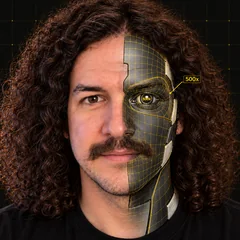
Somebody is giving away a million dollars in AI video credits. VideoGen announced its first video model, Model 1, and opened applications for a $1 million free credits pool on the same day. If you make video for clients, or want to, this is worth an hour of your week.
What happened
On October 20, 2026, VideoGen, which describes itself as a Y Combinator-backed AI video company, announced Model 1 in a press release from San Francisco. I'm splitting this into what the company claims and what you can act on, because there are no public benchmarks yet.
What VideoGen claims about Model 1:
- It turns text prompts and images into "finished, multi-shot videos up to ten minutes long."
- A planning layer it calls an AI thinking harness develops the screenplay, dialogue, shots and pacing.
- It keeps characters, objects and locations consistent by using shared visual references across separately generated shots.
- VideoGen "expects Model 1 to cost more than 50% less than comparable models," based on internal validation. Final pricing, official benchmarks and third-party validation are still underway.
What's confirmed about the rollout: a limited private-partner rollout started October 20. General availability is expected "shortly after additional safety testing," with no date. A technical whitepaper is planned and not out yet.
The part you can act on today is the credits program:
- A $1 million pool of free AI credits for selected projects.
- Applications are open at videogen.io/model-1, and they opened October 20.
- Students, amateurs, creators, filmmakers and studios are all eligible.
- Selection is based on the creative work and a viable distribution plan.
- Credits go out through the end of 2026, sized to each project's scope.
Why it matters for builders
The interesting claim is length. Most of the video models I use generate short clips, and anyone making longer pieces stitches them together and fights to keep a character looking the same from shot to shot. If Model 1 really plans a multi-shot story and holds characters steady across it, that removes the most tedious part of AI video work.
That's a big if. Until there's pricing and independent testing, treat the ten-minute and half-price numbers as VideoGen's claims. The credits program costs you nothing but time, though, and the judging criteria tell you exactly what they want: good work that people will actually see.
Write your application in 15 minutes
- Pick one real project. A client explainer, a short film, a series for your own channel. Something you'd make anyway.
- Write a one-paragraph creative brief: the story, the characters, the length, and why multi-shot consistency matters for it.
- Write the distribution plan. This is where most applications will be weak. Name the channels where it will run, your current audience on each, the posting schedule, and any partner who has agreed to share it.
- Attach proof you can finish. Link two or three pieces you've already shipped, even short ones.
- Ask for a scope that matches the project. A tight, believable request reads better than a huge one.
- Go to videogen.io/model-1, sign in, select Request access, and paste in your brief and plan. Then put a reminder on your calendar to check for general availability and pricing.
Here's how you get paid
My opinion: apply for the credits with a real project and a plan to get it seen, and treat it as your first client work.
If you win credits, your generation costs on early client videos drop to close to nothing while you learn the tool. That's the moment to offer a founding rate to two or three local businesses or creators: a short brand film, a product explainer, a series of ads. You get portfolio pieces and testimonials you earned for real. They get video they couldn't have afforded from a traditional studio.
Even if you don't win, the application forces you to write a creative brief and a distribution plan. Those are the two documents every video client wants to see before they hire you, so you come out with a pitch kit either way.
Keep your clients informed. Tell them the video is AI-generated, label it where the platform asks, and don't promise a model's capabilities until you've tested them yourself.
Daily email
Get each breakdown in your inbox.
One email each evening, right after the Short goes live: the AI tool it covers, the full write-up with sources, and how to get paid for it. Free, and you can unsubscribe anytime.
Sources
- VideoGen press release via GlobeNewswire, republished by The Manila Times (October 20, 2026): https://www.manilatimes.net/2026/10/21/tmt-newswire/globenewswire/videogen-unveils-model-1-its-first-ai-video-generation-model-and-1-million-in-free-ai-credits/2450129
- VideoGen Model 1 credits application: https://videogen.io/model-1